Spotify Release Radar Guide for Independent Artists
A complete guide to Spotify Release Radar, including eligibility, follower impact, release tips, and strategies to grow your audience on Spotify.
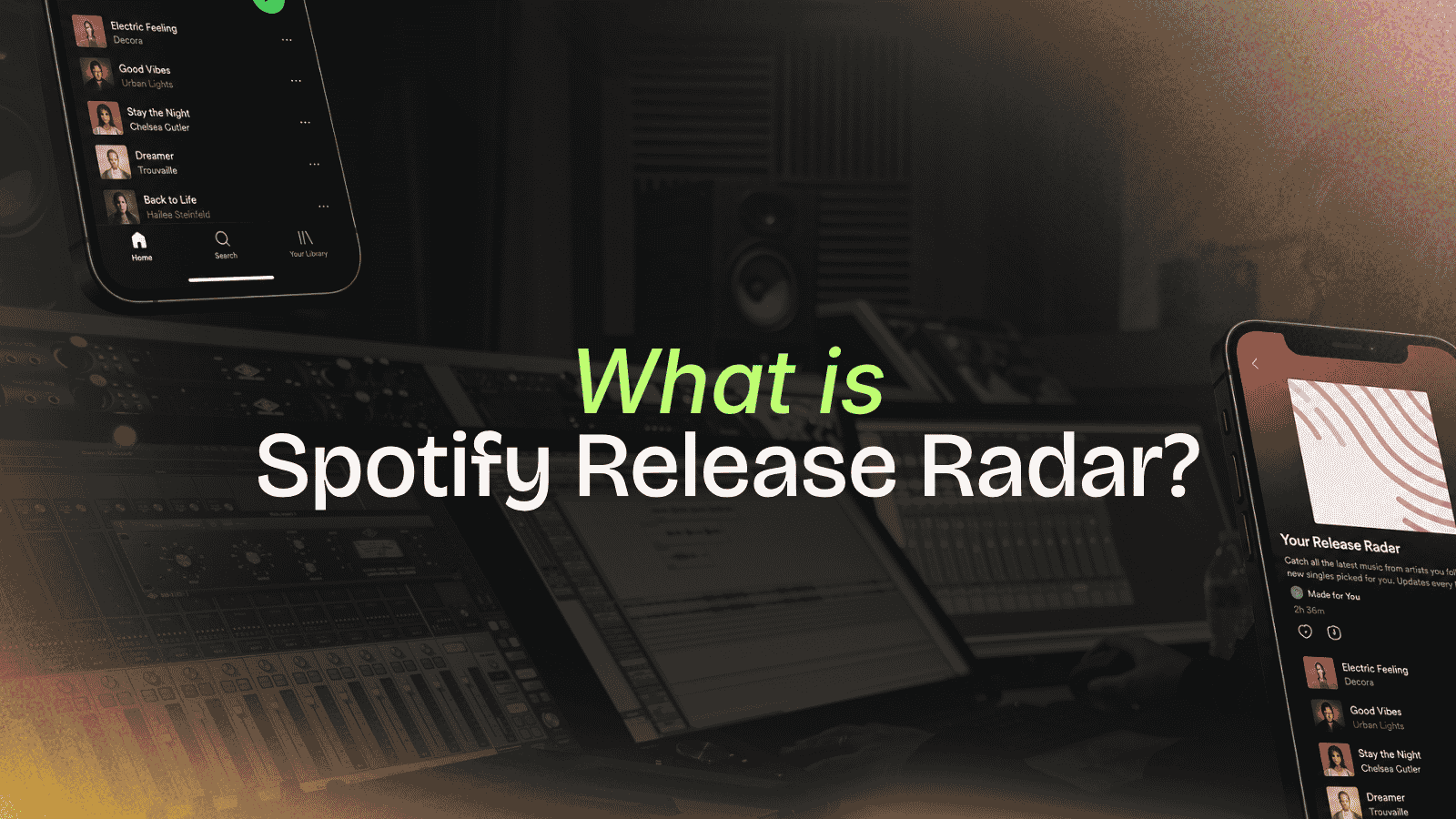
Every Friday, Spotify updates Spotify Release Radar, a personalized playlist that helps listeners discover newly released music from artists they follow and artists they regularly listen to. Rather than showing the same songs to everyone, Release Radar is unique for each listener and is powered by Spotify's recommendation system.
For artists, Release Radar is one of the most valuable algorithmic playlists because it introduces new releases to an audience already familiar with your music. Unlike editorial playlists, Release Radar isn't manually curated by Spotify's editorial team. Instead, eligibility and personalization are determined automatically based on listener relationships and activity.
For independent artists, this means you don't need a record label to reach your audience through Release Radar. By building an engaged fanbase, releasing music consistently, and following Spotify's best practices, you can improve your chances of reaching listeners when your new music goes live.
In this guide, you'll learn:
What Spotify Release Radar is and how it works.
Who can receive your new releases.
The factors that influence Release Radar visibility.
Practical strategies to improve your chances of reaching more listeners.
How PlayGeet helps you prepare your releases for Spotify.
How Does Spotify Release Radar Work?
Spotify Release Radar is powered by a recommendation system that matches new music with listeners who are most likely to enjoy it. Rather than showing every new release to every Spotify user, the playlist is personalized based on each listener's relationship with an artist and their listening habits.
According to Spotify, Release Radar primarily considers whether a listener follows an artist, has streamed their music recently, or has shown consistent interest in similar music. This means followers are important, but they're not the only factor. Regular listeners who haven't followed your profile may also receive your new releases.
Spotify Release Radar is a personalized playlist that updates every Friday to recommend new music based on a user's listening history and artist follows.
Here's how the process works:
Release your music through a distributor. Your distributor delivers your release to Spotify and other streaming platforms. Make sure your music is submitted well before your release date to allow Spotify enough time to process it.
Claim your Spotify for Artists profile. A claimed profile gives you access to analytics, release management tools, and the ability to pitch eligible unreleased music. If you haven't done this yet, check out PlayGeet's guide on How to Claim Your Spotify for Artists Profile.
Pitch eligible releases before launch. Spotify recommends submitting unreleased tracks for editorial consideration at least seven days before release. While pitching doesn't guarantee Release Radar placement, it ensures Spotify has complete information about your release.
Build an engaged audience. Spotify looks at signals such as followers, listening history, saves, playlist adds, and repeat streams when deciding which listeners should receive your new music. An engaged audience is often more valuable than simply having a large follower count.
Release your music on time. Friday is the global music release day and aligns with Spotify's weekly update cycle. Although eligible releases published on other days can also appear in Release Radar, many artists choose Friday to maximize visibility during the weekly refresh.
It's important to remember that meeting these requirements doesn't guarantee placement. Release Radar is personalized for every listener, so Spotify still evaluates whether your new release matches each person's listening preferences. Following these best practices simply gives your music the best opportunity to reach the right audience.
Who Sees Your New Release in Release Radar?
One of the biggest misconceptions about Spotify Release Radar is that every follower automatically receives every new release. In reality, Release Radar is personalized for each listener. Spotify considers several signals to decide who is most likely to enjoy your new music.
Typically, your release has the best chance of appearing for listeners who:
Follow your Spotify artist profile. Have streamed your music recently.
Frequently save your songs or add them to playlists.
Listen to artists or genres similar to yours.
Regularly engage with your new releases.
Followers are an important signal because they've chosen to keep up with your music. However, Spotify also looks at listening behavior. For example, someone who listens to your songs regularly but hasn't followed your profile may still receive your latest release in their Release Radar.
Release Radar offers a targeted approach by showing your new music to listeners based on their past interactions and musical preferences.
On the other hand, simply having thousands of followers doesn't guarantee that every follower will see your new release. Spotify aims to deliver music that each listener is most likely to enjoy, so engagement often matters more than raw follower numbers.
To improve your chances of reaching more listeners through Release Radar:
Grow genuine Spotify followers. Encourage fans to follow your profile through social media, email newsletters, and live performances.
Increase listener engagement. Ask fans to save your songs, add them to playlists, and listen regularly. These actions help demonstrate continued interest in your music.
Release music consistently. Regular releases keep your audience engaged and give Spotify more opportunities to recommend your music.
Monitor your Spotify for Artists analytics. Reviewing streams, saves, followers, and listener trends can help you understand what works and improve future releases.
Ultimately, Release Radar rewards artists who build an active relationship with their audience rather than simply chasing follower numbers. The stronger your connection with listeners, the more opportunities Spotify has to recommend your new music.
Does Every New Song Appear in Release Radar?
The short answer is no. Releasing a new song on Spotify doesn't automatically guarantee that it will appear in Release Radar. While Spotify aims to recommend new music to interested listeners, every release must meet certain eligibility requirements, and the playlist is personalized for each user.
Here are the key factors that influence whether your release can appear in Release Radar:
1. Release Original Music
Release Radar is designed for new releases. Previously released tracks, duplicate uploads, or certain reissued recordings may not be treated as new content by Spotify.
2. Deliver Your Music Early
Submit your music through your distributor well before your release date. Spotify recommends delivering releases at least 7 days in advance if you plan to pitch them through Spotify for Artists. Early delivery gives Spotify enough time to process your release and its metadata.
3. Claim Your Spotify for Artists Profile
Claiming your Spotify for Artists profile allows you to manage your releases, access analytics, and pitch eligible unreleased music. While claiming your profile doesn't guarantee Release Radar placement, it's an important part of preparing every release.
4. Complete Accurate Metadata
Make sure your release includes accurate information such as the artist name, song title, genre, release date, and cover art. Incorrect or incomplete metadata can create issues during distribution.
5. Build Audience Engagement
Release Radar isn't based solely on whether a song is new. Spotify also considers listener engagement when deciding who should receive your release. Fans who regularly stream, save, and interact with your music are more likely to see your latest releases.
6. Understand That Personalization Matters
Even if your release is fully eligible, Spotify decides independently for each listener whether your new song belongs in their Release Radar playlist. Two fans may see different playlists based on their listening habits and interests.
Common Reasons a Song May Not Appear
Music was delivered too close to the release date.
The release is a duplicate or re-upload.
Your audience has limited engagement with previous releases.
The listener hasn't recently interacted with your music.
Spotify determines other releases are more relevant for that particular listener.
Meeting all the technical requirements improves your chances of appearing in Release Radar, but no artist is guaranteed placement for every listener. The goal is to give Spotify the strongest possible signals while building an engaged audience over time.
Next, let's explore how Spotify followers influence Release Radar and why growing an engaged fanbase is one of the best long-term strategies for independent artists.
How Spotify Followers Affect Release Radar
Spotify followers are one of the strongest signals used to personalize Release Radar, but they're not the only factor. The playlist is designed to recommend new music to listeners who are most likely to enjoy it, so Spotify also considers listening history and engagement alongside follower relationships.
If someone follows your artist profile, they're more likely to receive your new releases in their Release Radar. However, listeners who regularly stream your music—even if they haven't followed you—may also see your latest tracks.
Here's why Spotify followers matter:
1. Followers Show Long-Term Interest
When someone follows your artist profile, they're telling Spotify they want to keep up with your future releases. This makes followers an important audience for new music recommendations.
2. More Followers Can Expand Your Potential Reach
Every genuine follower increases the pool of listeners who may receive your future releases. While Spotify personalizes every playlist, having more engaged followers gives your music a greater opportunity to reach people who already enjoy your work.
3. Engagement Matters More Than Numbers
A smaller audience that regularly streams, saves, and shares your music is often more valuable than a large audience with little interaction. Spotify looks for meaningful listening behavior rather than follower count alone.
4. Followers Support Long-Term Growth
Followers don't just help on release day. As you continue releasing music, an engaged follower base can increase repeat listens, playlist additions, and future discovery opportunities through Spotify's recommendation system.
5. Build Followers Organically
The best way to grow your Spotify followers is by creating genuine fan relationships. You can encourage fans to follow your profile by:
Sharing your Spotify profile on social media.
Including Spotify links in your website and email newsletters.
Asking listeners to follow you at the end of videos or live streams.
Running pre-save campaigns before new releases.
Releasing quality music consistently.
Avoid Artificial Growth
Buying followers or using fake engagement services may inflate your numbers temporarily, but it won't build a real audience. Spotify's recommendation system is designed to recognize genuine listener engagement, so authentic growth is always the better long-term strategy.
The takeaway: Followers are an important part of Release Radar, but they're only one piece of the puzzle. Consistent releases, strong listener engagement, and an active fanbase all work together to improve your chances of reaching more listeners.
Now that you understand the role followers play, let's look at the key factors that can improve your Release Radar performance and help you maximize every new release.
Factors That Can Improve Your Release Radar Performance
While no artist can guarantee placement in every listener's Release Radar, there are several proven best practices that can improve your chances of reaching more people. The goal is to make your release easy for Spotify to understand while building genuine engagement with your audience.
1. Release Music Consistently
Consistent releases keep your audience engaged and give Spotify more opportunities to recommend your music. Whether you release a new single every month or every few months, maintaining a regular schedule helps keep your artist profile active.
2. Submit Your Music Early
Upload your release through your distributor well before the release date. If you plan to pitch your music through Spotify for Artists, Spotify recommends delivering it at least 7 days in advance. Early delivery also gives Spotify enough time to process your release and metadata.
3. Pitch Through Spotify for Artists
If your release is eligible, submit it through Spotify for Artists before it goes live. Although editorial pitching doesn't guarantee playlist placement, it provides Spotify with additional information about your music, such as genre, mood, instruments, and story behind the release.
4. Grow an Engaged Fanbase
Focus on building genuine relationships with your listeners. Encourage fans to:
Follow your Spotify profile.
Save your songs.
Add tracks to their playlists.
Share your music with friends.
Listen to new releases during the first few days after launch.
Strong engagement sends positive signals to Spotify's recommendation system.
5. Optimize Your Spotify for Artists Profile
A complete artist profile helps create a professional first impression for listeners. Make sure your profile includes:
High-quality artist photo.
Updated biography.
Social media links.
Artist Pick.
Upcoming releases and playlists.
Keeping your profile updated makes it easier for fans to connect with your music.
6. Promote Your Release Before Launch
Don't wait until release day to start marketing your music. Build excitement beforehand by:
Running pre-save campaigns.
Sharing teasers on social media.
Sending email newsletters.
Creating short-form videos.
Announcing your release schedule.
Generating interest before launch can lead to stronger early engagement.
7. Focus on High-Quality Music
No growth strategy can replace great music. Songs that listeners save, replay, and share are more likely to continue performing well over time. Invest in good songwriting, professional production, mixing, mastering, and compelling cover art.
8. Review Your Performance After Every Release
Use Spotify for Artists to analyze important metrics such as:
Streams
Monthly listeners
Followers
Saves
Playlist adds
Listener locations
Learning from each release helps you refine your strategy and improve future campaigns.
Key Takeaway
Release Radar success isn't based on a single factor. It's the result of combining quality music, consistent releases, early preparation, and genuine audience engagement. While Spotify's recommendation system remains personalized and dynamic, following these best practices gives your music the strongest opportunity to reach listeners who are most likely to enjoy it.
Release Radar vs Discover Weekly
Release Radar and Discover Weekly are two of Spotify's most popular personalized playlists, but they serve different purposes. Understanding how they work can help you build a better release strategy and set realistic expectations for how your music reaches listeners.
Feature | Release Radar | Discover Weekly |
Purpose | Promotes newly released music | Helps listeners discover music they may enjoy |
Updates | Every Friday | Every Monday |
Music Included | Primarily recent releases | New and older songs |
Personalization | Based on follows, listening history, and engagement | Based on listening habits and music preferences |
Best For | Launching new releases | Long-term music discovery |
Release Radar Focuses on New Releases
Release Radar is designed to introduce listeners to newly released music from artists they follow or regularly listen to. If you're releasing a new single, EP, or album, this playlist can help reconnect you with your existing audience during the important first weeks after release.
Discover Weekly Helps Listeners Find New Music
Unlike Release Radar, Discover Weekly isn't limited to new releases. Spotify recommends songs based on a listener's music taste, listening habits, and similarities between artists. A song released months—or even years—ago can still appear if Spotify believes the listener will enjoy it.
Different Goals, Same Recommendation System
Although both playlists are personalized, they have different objectives:
Release Radar helps listeners stay updated with artists they already know.
Discover Weekly introduces listeners to artists and songs they may not have heard before.
Because of this, a new release may appear in Release Radar shortly after launch, while the same song could later appear in Discover Weekly if it continues to generate positive engagement.
Can a Song Appear in Both Playlists?
Yes. A song isn't limited to one playlist. A successful release might first appear in Release Radar for existing fans and later reach new listeners through Discover Weekly as Spotify gathers more listening data.
Which Playlist Is Better for Artists?
Neither playlist is "better"—they serve different stages of an artist's growth.
Release Radar helps you maximize the impact of a new release.
Discover Weekly can introduce your music to entirely new audiences over time.
The best strategy is to optimize for both by releasing quality music consistently, building an engaged audience, and encouraging genuine listener interaction.
Common Myths About Spotify Release Radar
There are plenty of misconceptions about how Spotify Release Radar works. Believing these myths can lead artists to focus on the wrong strategies. Let's separate fact from fiction.
Myth 1: Every New Release Automatically Appears in Release Radar
Fact: Simply releasing a song doesn't guarantee it will appear in Release Radar. Spotify personalizes the playlist for each listener based on factors such as their relationship with the artist, listening history, and engagement.
Myth 2: You Need Thousands of Followers to Appear
Fact: There is no minimum follower requirement. Even independent artists with a smaller but engaged audience can have their releases featured in listeners' Release Radar playlists.
Myth 3: Editorial Pitching Guarantees Release Radar Placement
Fact: Submitting your music through Spotify for Artists is recommended, but it doesn't guarantee placement in Release Radar. Editorial playlists and algorithmic playlists are separate systems.
Myth 4: Buying Followers Will Increase Your Reach
Fact: Artificial followers don't create genuine engagement. Spotify's recommendation system values real listener behavior, such as streams, saves, playlist adds, and repeat listening. Fake followers are unlikely to improve your long-term performance.
Myth 5: Releasing More Music Always Improves Release Radar Performance
Fact: Consistency is important, but quality matters more than quantity. Regularly releasing high-quality music that connects with listeners is more effective than publishing tracks simply to stay active.
Myth 6: Only Followers Can Receive Your New Releases
Fact: Followers are one of the strongest signals, but they're not the only one. Spotify may also recommend your new release to listeners who regularly stream your music, even if they haven't followed your artist profile.
Myth 7: Release Radar Is the Same for Every User
Fact: Every Release Radar playlist is unique. Two people who follow the same artist may still receive different recommendations based on their individual listening habits and preferences.
Key Takeaway
Release Radar isn't about gaming the algorithm—it's about building a genuine audience. Focus on creating great music, growing real fans, and maintaining consistent engagement instead of chasing shortcuts or outdated advice.
Best Practices Before Releasing Music
A successful Release Radar campaign begins long before your music goes live. Preparing your release properly gives Spotify enough information to process your track and helps your audience discover it as soon as it's available. While no strategy can guarantee placement, following these best practices puts you in the strongest position.
1. Plan Your Release Date Early
Choose your release date well in advance and create a promotional timeline. Giving yourself enough preparation time allows you to organize marketing, submit your music early, and build excitement before launch.
2. Deliver Your Music to Your Distributor in Advance
Spotify recommends submitting your music at least 7 days before release if you want to pitch it through Spotify for Artists. Many artists choose to submit even earlier to avoid unexpected delays and ensure their music is processed correctly.
3. Claim and Optimize Your Spotify for Artists Profile
Before releasing music, make sure your Spotify for Artists profile is complete. Add:
A professional artist photo
An engaging artist bio
Social media links
Artist Pick
Updated playlists
A complete profile creates a better experience for new listeners who discover your music.
4. Pitch Your Release Through Spotify for Artists
If your release is eligible, submit it before launch using Spotify for Artists. Include accurate information about your song, including genre, mood, instruments, and story. While pitching doesn't guarantee playlist placement, it gives Spotify more context about your music.
5. Promote Your Release Before It Goes Live
Don't wait until release day to tell people about your music. Build anticipation by:
Sharing teaser videos.
Running pre-save campaigns.
Posting countdowns on social media.
Sending email newsletters.
Announcing your release schedule to fans.
Early excitement often leads to stronger engagement when your song is released.
6. Encourage Fans to Follow Your Spotify Profile
Ask your audience to follow your Spotify artist page before your release. Followers are more likely to discover future releases through Spotify's personalized recommendations, making them an important part of your long-term growth strategy.
7. Focus on Release Day Engagement
The first few days after your release are important. Encourage fans to:
Listen to your new song.
Save it to their library.
Add it to personal playlists.
Share it with friends.
Follow your artist profile.
These actions create valuable engagement signals that can support your release's performance.
8. Analyze Your Results
After your release, review your Spotify for Artists analytics. Pay attention to metrics such as:
Streams
Monthly listeners
Followers
Saves
Playlist adds
Audience demographics
Understanding what worked—and what didn't—helps you improve your strategy for future releases.
How PlayGeet Can Help
With PlayGeet, you can distribute your music to Spotify and other major streaming platforms while accessing helpful resources on release planning, Spotify optimization, and music promotion. Preparing your release properly gives your music the best opportunity to reach the right listeners.
Following these best practices won't guarantee Release Radar placement, but they can significantly improve your release strategy and help you build long-term growth on Spotify.
How PlayGeet Helps You Prepare for Release Radar Success
Getting your music into Spotify Release Radar starts long before release day. From planning your launch to distributing your music on time, every step matters. PlayGeet helps independent artists build a strong release strategy so their music is ready for Spotify's recommendation system.
Distribute Your Music on Time
Timely distribution is one of the most important parts of any release strategy. With PlayGeet, you can schedule your releases in advance, helping ensure your music reaches Spotify with enough time for processing before your chosen release date.
Learn How Spotify Works
Beyond music distribution, PlayGeet offers educational resources that help artists understand Spotify's ecosystem. You can learn about topics such as:
Spotify for Artists
Spotify Monthly Listeners
Spotify Followers
Editorial playlists
Music release planning
Music promotion strategies
Understanding these concepts helps you make better decisions for every release.
Prepare for Every Release
A successful release involves more than uploading a song. Before your music goes live, make sure you:
Finalize your cover art and metadata.
Claim your Spotify for Artists profile.
Schedule your release in advance.
Pitch eligible releases through Spotify for Artists.
Plan your marketing campaign.
Build excitement with pre-save and social media promotions.
PlayGeet's guides and knowledge centre can help you complete each of these steps with confidence.
Focus on Long-Term Artist Growth
Spotify's recommendation system rewards genuine listener engagement over time. Instead of chasing quick wins, PlayGeet encourages artists to build sustainable careers by:
Releasing music consistently.
Growing an authentic fanbase.
Promoting music across multiple channels.
Learning from release analytics.
Improving every release using real performance data.
Why Choose PlayGeet?
Whether you're releasing your first single or managing multiple releases each year, PlayGeet provides the tools and educational resources independent artists need to navigate digital music distribution with confidence.
By combining thoughtful release planning with quality music and consistent promotion, you'll give your songs the best opportunity to reach the right audience through Spotify's recommendation system—including Release Radar.
Key Takeaways
Release Radar is a personalized Spotify playlist that recommends new music to listeners based on their follows, listening history, and engagement.
Placement isn't guaranteed, but following Spotify's best practices can improve your chances.
Growing an engaged audience is more valuable than simply increasing follower numbers.
Releasing music on time, pitching through Spotify for Artists, and promoting your music effectively all contribute to a stronger release strategy.
Long-term success comes from consistently creating quality music and building genuine relationships with your audience.
With the right preparation and a reliable distribution partner like PlayGeet, you'll be better equipped to make every release count on Spotify.
Frequently Asked Questions (FAQs)
Does every new release appear in Spotify Release Radar?
No. Releasing a new song doesn't automatically guarantee placement in Release Radar. Spotify personalizes the playlist for each listener based on factors such as whether they follow you, their listening history, and their engagement with your music.
How often does Spotify Release Radar update?
Spotify updates Release Radar every Friday, giving listeners a fresh playlist of eligible new releases from artists they follow or frequently listen to.
Do Spotify followers increase my chances of appearing in Release Radar?
Followers are one of the strongest signals Spotify uses when personalizing Release Radar. However, they're not the only factor. Spotify also considers recent listening activity, saves, playlist additions, and other engagement signals.
How many Spotify followers do I need?
There is no minimum follower requirement. Independent artists with a small but engaged audience can still reach listeners through Release Radar.
Does pitching my song through Spotify for Artists guarantee Release Radar placement?
No. Editorial pitching does not guarantee placement in Release Radar. However, Spotify recommends pitching eligible unreleased music because it provides additional information about your release and may support your overall release strategy.
Can listeners who don't follow me still receive my new release?
Yes. If someone regularly listens to your music or has shown strong interest in your previous releases, Spotify may include your new song in their Release Radar even if they don't follow your artist profile.
Is Release Radar the same as Discover Weekly?
No. Release Radar focuses on recent releases from artists listeners already know or engage with, while Discover Weekly helps listeners discover new artists and songs based on their listening preferences.
Does Release Radar pay higher royalties?
No. Streams from Release Radar are paid the same way as other Spotify streams. Your royalties depend on Spotify's royalty system and your music distribution agreement, not on which playlist generated the stream.
Can my song appear in both Release Radar and Discover Weekly?
Yes. A song may first appear in Release Radar shortly after release and later appear in Discover Weekly if Spotify's recommendation system determines it's a good match for other listeners.
How can PlayGeet help me prepare for Release Radar?
PlayGeet helps independent artists distribute music to Spotify, schedule releases in advance, and learn best practices through its Knowledge Centre. By combining timely distribution with effective release planning and promotion, you can give your music the best opportunity to reach the right audience.
Final Thoughts
Spotify Release Radar is one of the most valuable discovery tools available to independent artists. While no one can guarantee placement, understanding how the playlist works allows you to make smarter decisions before every release.
Focus on creating high-quality music, releasing it on time, building genuine relationships with your audience, and promoting your songs consistently. Over time, these efforts can strengthen your presence on Spotify and improve your chances of reaching more listeners through personalized recommendations.
If you're ready to release your next track, PlayGeet makes it easy to distribute your music to Spotify and other major streaming platforms while providing the resources you need to grow your career with confidence.
Conclusion: Mastering Your Release Strategy
Understanding Spotify Release Radar is essential for any independent creator looking to scale their global streaming presence. By pitching early, growing an authentic follower base, and monitoring your 'Stats for Spotify,' you can turn the algorithm into your most powerful marketing tool.
If you're still choosing a distributor, compare the best music distribution companies in India before scheduling your release.
At PlayGeet, we empower independent solo artists and record labels to manage this process seamlessly. With global music distribution to allplatforms, you retain 100% ownership of your rights while gaining access to AI-driven creative tools and Dolby Atmos support. Ready to reach your fans? Distribute your next release with Playgeet today.